Resource Library
Conversation guides, tip sheets, posters, and more — browse our selection of resources for your early literacy needs.

What are you looking for?
Audience
Resource Type
Topic
Language
-
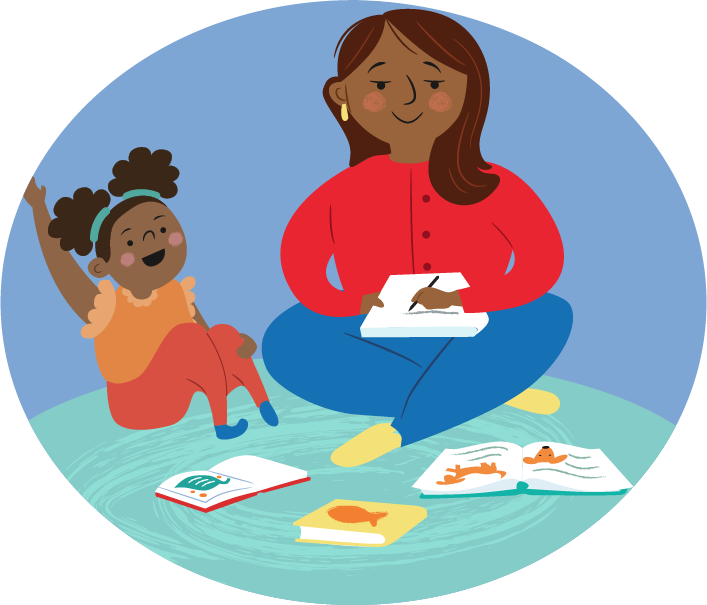
It’s easy to take it for granted, but little ones need to be taught how books work before they can read them! Here are some easy ways to show children how to use a book:
-
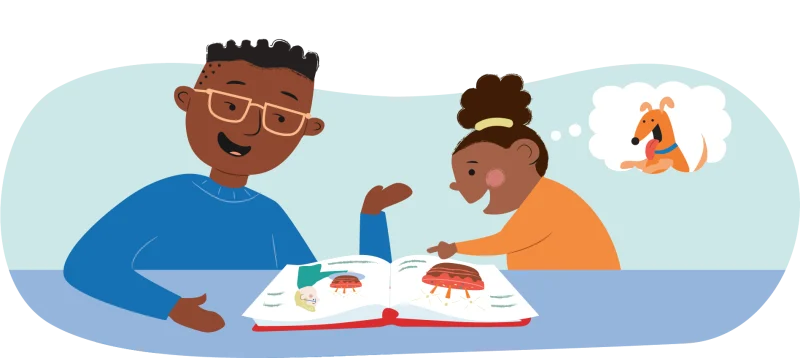
Sharing books with your child can be about more than just reading the text. While you’re reading together, you can also ask your little one questions such as “What is this?” and “Can you point to the duck?” And if your little one is talking, try asking them open-ended questions like “Where is the duck…
-
Share this video with the families at your clinic to showcase how their literacy efforts are helping their children’s development.
-
Using screens can reduce the time you spend face-to-face with your child, and can affect your child’s ability to pay attention, listen, speak, read and write. Read our suggestions for how to limit screen time.
-
This great resource from the Toronto Public Library features activities involving talking, reading, singing, playing, and writing for children ages 0-5.
-
Here are a few things you can do to support little growing brains at home!
-
English
The Conversation: Coronavirus: 5 Tips for Navigating Children’s Screen Time During Social Distancing
5-10 minutesThe COVID-19 pandemic changed the way we interact with screens. These lessons on managing screentime remain relevant for all families.
-
A group of reading advocates across Canada put together booklets with lots of fun and enriching activities to do during the pandemic.
-
English
Institute of Digital Media and Child Development, Children and Screens Article: 12 Tips From the Experts for Managing Screen Time for Kids K-8 During the Pandemic
5-10 minutesWondering how to manage your child’s screentime? Check out these 12 tips from experts.
-
English
Harvard Center on the Developing Child: 5 Steps for Brain-Building Serve and Return
5-10 minutesThis how-to video breaks down serve-and-return interactions into five simple steps and features adults and young children doing each step together.